Australia Uluru TourAn Independent Guide Check Availability

Uluru Tours

Sunrise on the base track, the west face at sunset, the domes of Kata Tjuta 40 km away. Seven Uluru tours compared on price, walking distance and what each one actually shows you.

Updated August 2026

  • 4.7 average from 2,600+ operator reviews
  • Free cancellation on every tour listed
  • Prices and park fees checked 5 August 2026

Quick answer

Guided Uluru tours run from $128.87 for twenty minutes in the air to $281.58 for the eighteen-hour coach day from Alice Springs. If you are sleeping at Yulara, the choice comes down to when you want to be at the rock and how far you want to walk: sunrise walks cover the full 10.6 km base track from $147.50, sunset tours do two short walks plus sparkling wine from $175.73, and only one departure leaves Uluru for Kata Tjuta. On top of the tour price everyone pays the park entry pass, A$38 per adult for three days, which since 1 April 2026 is no longer built into the Alice Springs fare.

Key takeaways

Uluru Tours Compared

Ordered the way most people decide: what time of day, then how much walking. Ratings and review counts are the operators' own, read on 5 August 2026, and every price is the lead-in adult rate before the park pass.

Walkers on the flat sand track beneath the rock face on a guided Uluru base walk at sunrise, Northern Territory Australia from $147.50Cheapest full circuit

Uluru: Guided Walking Tour at Sunrise with Light Breakfast

★★★★★ ★★★★★ 4.6(299 reviews)· 5.5 hours

The whole 10.6 km base track on foot, started in the dark so the walking is done before the heat. Light breakfast on the way, guide talking through…

  • Full 10.6 km base track
  • Sunrise start, finished before the heat
  • Light breakfast included
Check Availability
Small group pausing at a cave with rock art on a guided trek around the base of Uluru, Uluru-Kata Tjuta National Park Australia from $175.73Small group, slower pace

Uluru: Guided Trek of Uluru's Base in a Small Group

★★★★★ ★★★★★ 4.8(248 reviews)· 6 hours

The same base circuit as the sunrise walk but with six hours to do it in and a smaller group, so the guide can stop longer at the…

  • Six hours for the full circuit
  • Small group, long stops
  • Breakfast on the track
Check Availability
Small group watching the sandstone turn red at the sunset viewing area on an Uluru sunset tour, Uluru-Kata Tjuta National Park from $175.73Best for sunset

Uluru: Small Group Guided Tour with Sunset Refreshments

★★★★★ ★★★★★ 4.8(214 reviews)· 5 hours

The afternoon version: two short walks at the base — Kuniya into Muṯitjulu Waterhole and the Mala walk past the rock art — then the sunset viewing area…

  • Kuniya + Mala walks
  • Sunset viewing area with drinks
  • Small group
Check Availability
Domes of Kata Tjuta seen from the Walpa Gorge track on an Uluru sunrise and Kata Tjuta day trip, Red Centre Australia from $147.50Only one with Kata Tjuta

Yulara: Uluru Sunrise and Kata Tjuta Day Trip by Bus

★★★★★ ★★★★★ 4.5(558 reviews)· 5 hours

The only tour on this page that leaves Uluru and drives the 40 km west to Kata Tjuta. Sunrise over the rock first, then the Waḻpa Gorge walk…

  • Uluru sunrise + Kata Tjuta
  • Waḻpa Gorge walk
  • Back before midday heat
Check Availability
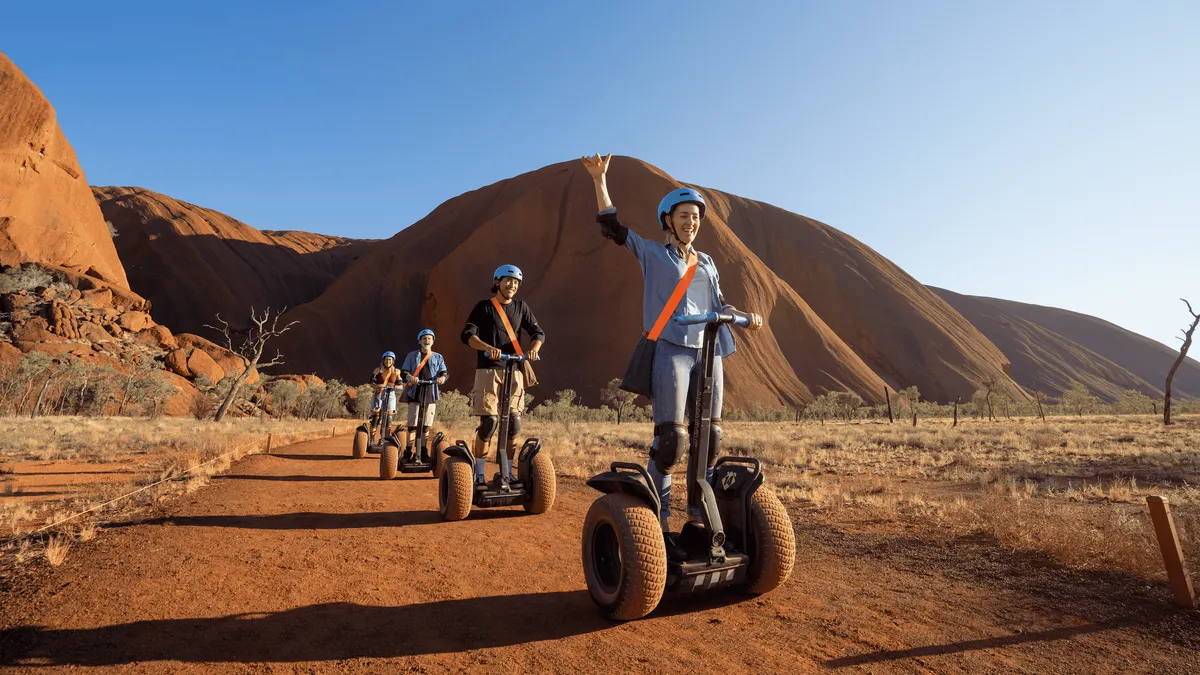
Riders on the Segway trail beside the sandstone wall on an Uluru base Segway tour at sunrise, Northern Territory Australia from $182.78Highest rated

Uluru Base Segway Tour at Sunrise

★★★★★ ★★★★★ 4.9(415 reviews)· 5 hours

The full base circuit without walking it. Training first, then roughly 10 km on a Segway with the guide stopping at Muṯitjulu Waterhole and the rock art at…

  • Full base loop, no 10 km walk
  • Muṯitjulu Waterhole stop
  • Transfers from Yulara
Check Availability
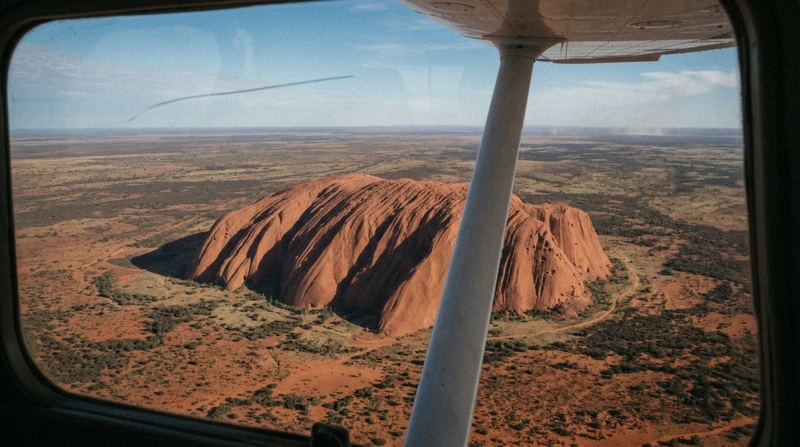
Fixed-wing aircraft wing over the red monolith and desert on a scenic plane flight Uluru tour, Northern Territory Australia from $128.87Cheapest on this page

Scenic Plane Flight: Uluru Rock Blast

★★★★★ ★★★★★ 4.8(107 reviews)· 1.5 hours

Twenty minutes in the air for less than any ground tour costs. Maximum seven passengers, minimum two to fly, and everyone gets a window. The pilot flies both…

  • 20 minutes over the rock
  • Max 7 passengers, window seat each
  • Hotel transfers included
Check Availability
Coach travellers watching sunset colour on the rock during a day trip to Uluru from Alice Springs, Red Centre Australia from $281.58From Alice Springs

From Alice Springs: Day Trip to Uluru with BBQ Dinner

★★★★★ ★★★★★ 4.7(825 reviews)· 1 day

The one tour here that works if you are staying 450 km away in Alice Springs. About 18 hours door to door, of which 11 are on the…

  • No Yulara accommodation needed
  • Cultural Centre + sunset BBQ
  • Park pass bought separately
Check Availability
Free cancellation up to 24 hours on all seven
Ratings shown are each operator's own
Park pass priced separately, never hidden

We book nothing and sell nothing. Prices link straight to the operator's page.

What an Uluru Tour Actually Covers

Almost every guided tour here works the same 10.6 km ring of sand at the foot of the rock, and the differences sit in the timing and the pace. Uluru tours split first by where they start. Six of the seven below leave from Yulara, the resort village 20 minutes from the rock, and run three to six hours. The seventh drives up from Alice Springs, 450 km away, and eats the whole day.

What none of them include, and what surprises people at the gate, is entry to Uluṟu-Kata Tjuṯa National Park itself. That is A$38 an adult for three consecutive days, paid online or at the entry station. Until April 2026 the Alice Springs coach quietly absorbed it into the fare. It no longer does.

The second split is walking. A sunrise tour that says 'base walk' means the whole circuit on foot: three and a half hours of flat sand with no shade after the first hour. A sunset tour means two short sections, Kuniya and Mala, totalling about two kilometres. The Segway covers the same ground as the walkers while nobody's feet hurt. Read the duration and the distance together, because a five-hour tour can mean two hours of walking or none at all.

Uluru in Numbers

The figures guides quote on the track, checked against Parks Australia's own published data rather than rounded off a brochure.

348 m Height above the plain Taller than the Eiffel Tower to the second platform, and most of the rock is still underground.
10.6 km The base walk Parks Australia grades it AWTGS Grade 3 and allows 3 hours 30 minutes from the Mala car park.
A$38 Adult park pass Three consecutive days. About US$27 at 0.71 AUD to the dollar on 5 August 2026.
40 km West to Kata Tjuta The 36 domes are a separate drive, and only one tour on this page makes it.
450 km Alice Springs to Uluru Five and a half hours on sealed road, which is why that day trip runs 18 hours.
30,000+ Years of Anangu presence The traditional owners' connection to this country, and the source of the Tjukurpa stories guides retell.

Every Tour, Side by Side

Lead-in adult prices on 5 August 2026. Walking distance is the figure that decides most bookings, so it sits in its own column. None of these prices include the A$38 park pass.

Tour Length On foot Book Time of day From
5.5 hours 10.6 km Sunrise Check $147.50
6 hours 10.6 km Sunrise Check $175.73
5 hours About 2 km Sunset Check $175.73
5 hours About 1 km Sunrise Check $147.50
5 hours Segway Sunrise Check $182.78
1.5 hours None Morning or afternoon Check $128.87
18 hours About 3 km All day Check $281.58

Choosing Between the Tour Types

Sunrise base walks: the default choice

Two tours walk the whole circuit and both start in the dark. The 5.5-hour version at $147.50 moves at a steady pace and finishes mid-morning; the six-hour small-group trek at $175.73 does the same distance with longer stops at the caves and waterholes, which is where the Tjukurpa stories get told properly. Rated 4.8 from 248 reviews, it is the one to book if you would rather hear about Kuniya and Liru than count kilometres.

Both cover flat, sandy track. There is no scrambling and no elevation. What there is instead is exposure: after about seven o'clock the sun is on you and there is no shade on the eastern side. Guides carry water and push the pace when the forecast is high.

Sunset tours: two short walks and a drink

The small-group sunset tour at $175.73 does the Kuniya walk into Muṯitjulu Waterhole, then the Mala walk past the rock art at the north-western corner, then parks at the sunset viewing area with sparkling wine while the west face runs through orange into purple. Total walking is around two kilometres on flat ground.

This is the version for anyone who does not want to be awake at four in the morning, and the one that photographs best. The trade-off is crowds: every coach at Yulara aims at the same viewing area for the same twenty minutes.

Kata Tjuta: the tour people forget to book

Kata Tjuta sits 40 km west of Uluru and gets skipped by visitors who assume it is a side note. It is 36 domes, several of them taller than Uluru, and the walking between them is more interesting than anything at the base. Only the sunrise bus at $147.50 goes there, watching the light hit Uluru first and then driving out to walk Waḻpa Gorge.

The harder Valley of the Winds walk is not on this tour. If you want that one you need a hire car and an early start, because rangers close the section beyond the first lookout when the forecast is high.

Segway and flight: the no-walking options

The Segway tour at $182.78 covers the same base loop the walkers do, and at 4.9 from 415 reviews it is the highest-rated tour on this page. Training happens first, minimum age is 12, and the guide still stops at Muṯitjulu Waterhole and the rock art. Knees survive it.

The Rock Blast flight at $128.87 is the cheapest thing here and the only one that shows you the shape of the whole thing: a 20-minute fixed-wing loop along the northern and western faces with Kata Tjuta, Lake Amadeus and Mount Conner on the horizon. Maximum 7 travellers, minimum two to fly, hotel pickup at both ends, about ninety minutes door to door. It pairs well with a sunrise walk on the same day, and reviewers who did exactly that say seeing the track from above was the better half.

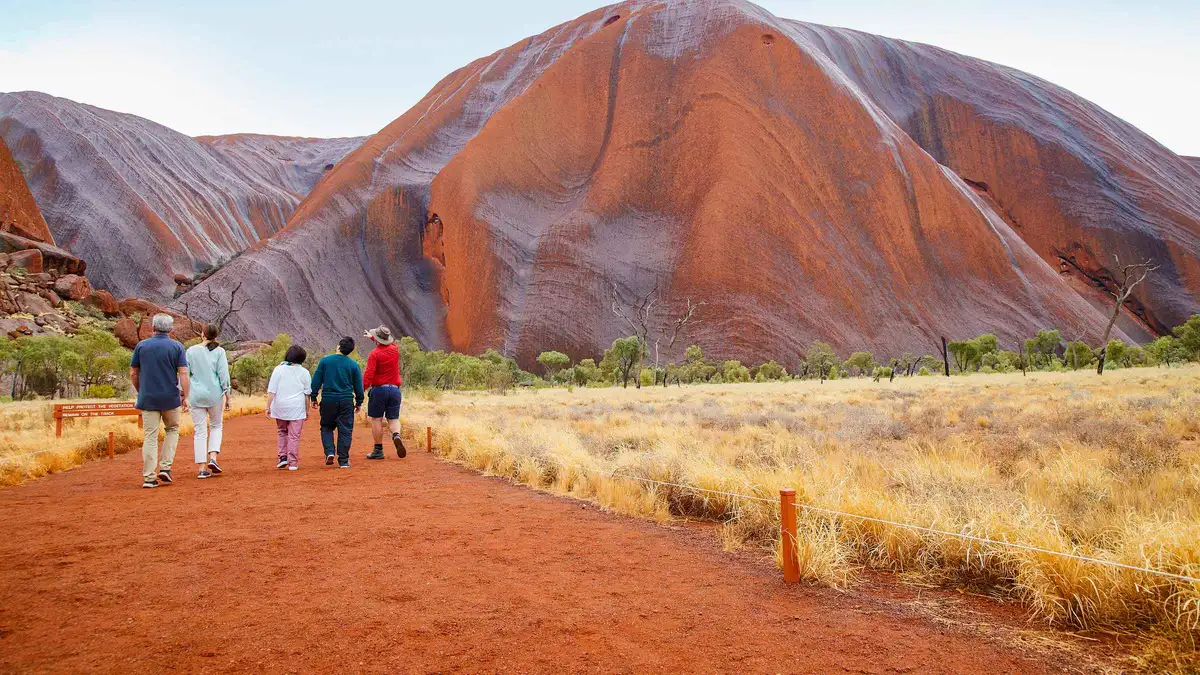
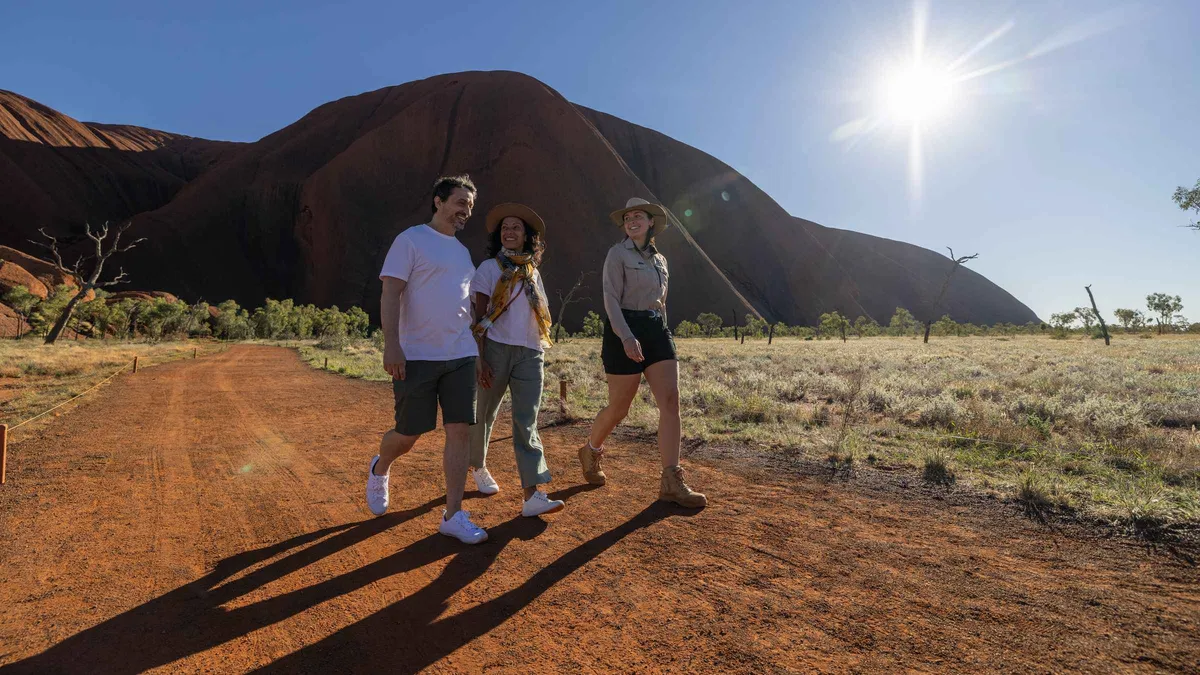
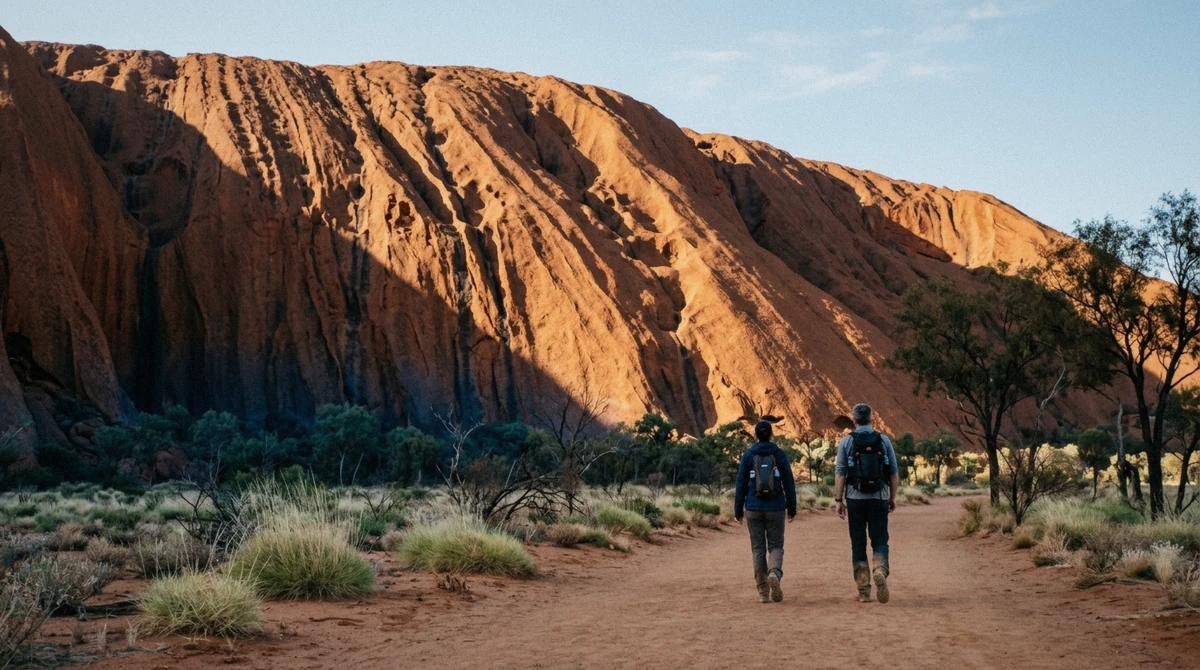
Two walkers on the flat sand track below the rock face on an Uluru base walk tour at sunrise, Uluru-Kata Tjuta National Park Australia
The base track is flat the whole way. What it is not is shaded — which is why every walking tour starts before dawn.

What an Uluru Trip Costs

The park pass, and the April 2026 change

Entry to Uluṟu-Kata Tjuṯa National Park costs A$38 for an adult, valid three consecutive days from first entry, and children and teenagers under 18 go free. An annual pass is A$50, which pays for itself if you are staying longer than three days or coming back within the year. Northern Territory residents can buy a vehicle annual pass at A$109.

Buy it online before you arrive. From 1 April 2026 the Alice Springs day trip states plainly that the Uluru-Kata Tjuta National Park pass is not included in the tour price, so travellers who booked on an old fare page have turned up at the entry station expecting to be covered and were not. Tours departing from Yulara have always left the pass to you.

Tours, food and the rest of it

Ground tours from Yulara sit between $147.50 and $182.78 for a half-day. The flight is $128.87. The day trip from Alice Springs is $281.58 and includes dinner, which the others do not.

Food at Yulara is resort-priced because everything arrives by truck: budget A$25 to A$40 for a pub meal, less if you use the IGA supermarket in the town square. Fuel runs well above city prices. The free things are genuinely free — the resort runs daily garden walks, bush food talks and Bush Yarns at no cost to anyone staying there, and the sunrise and sunset viewing areas inside the park cost nothing beyond the pass.

Getting there is the real expense

Nobody's Uluru budget breaks on tour prices. It breaks on the flight into Ayers Rock Airport, which is served by Jetstar, Qantas and Virgin from Sydney, Melbourne, Brisbane, Cairns and Adelaide and priced like the monopoly route it is, and on a night at Yulara, where the cheapest hotel room in the school holidays costs more than two tours.

Driving from Alice Springs saves the airfare and costs a day in each direction. Coming as a day trip from Alice Springs saves the accommodation and costs you the sunrise.

Best Time to Visit Uluru

Average monthly rainfall in millimetres with the average daytime maximum below each bar, from the Bureau of Meteorology record for the park. The heat, not the rain, is what decides your month.

  • Cool season (April–September): walking weather
  • Hot season (October–March): walk early, stop by 11 am

July is the coolest month at 20.6°C average maximum and 4.4°C overnight — take a jacket for a sunrise start. January is the hottest at 38.4°C maximum and 22.8°C overnight. August and September bring the wildflowers; December is the wettest month at 45.5 mm and August the driest at 5.0 mm.

When to Come, and What the Month Does to Your Tour

May to September

Parks Australia's own advice is that the best time to come is between May and September, when the daytime maximum usually sits between 20°C and 30°C. Every walking tour runs at full length, nothing is cut short, and you can be on the base track at nine in the morning without regretting it.

The cost is overnight cold. Desert nights in June and July drop to 4.4°C on average and below freezing during clear spells, and sunrise tours meet at four or five in the morning. People turn up in shorts and spend the first hour miserable.

October to March

Summer here means 38.4°C in January and long stretches above 35°C. Park advice for October to March is blunt: drink plenty of water and stop walking by 11 am. Tour operators respond by starting earlier and finishing before the heat, so a summer sunrise walk is not shortened so much as shifted.

Flies are the other summer feature and they are relentless around your face from about September to April. Buy a head net at the resort or the Cultural Centre for a few dollars. Reviewers on the Alice Springs day trip say the same thing over and over: invest in a fly net before you go.

Rain, wildflowers and the days nobody plans for

Rain is rare and spectacular. After a downpour the rock runs with waterfalls into Kantju Gorge, which perhaps a tenth of visitors ever see. December is the wettest month at 45.5 mm and August the driest at 5.0 mm, so if you want the waterfalls you are gambling in the hot season.

August and September are the wildflower months, when the spinifex plain fills with yellow and purple. They also happen to be inside the cool window, which is why September books out first.

One dated closure to plan around: the park closes on Friday 28 August 2026 from 6 to 11 am for the funeral of a senior Anangu woman, reopening at 11 am. Sunrise tours that morning do not run.

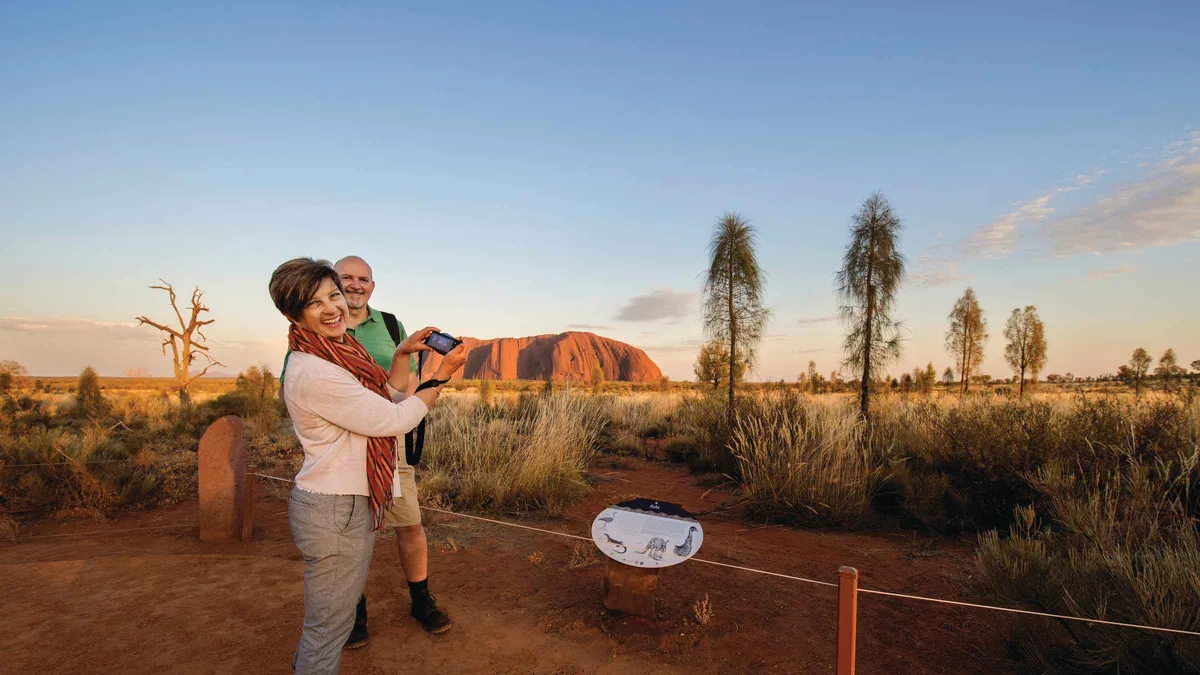
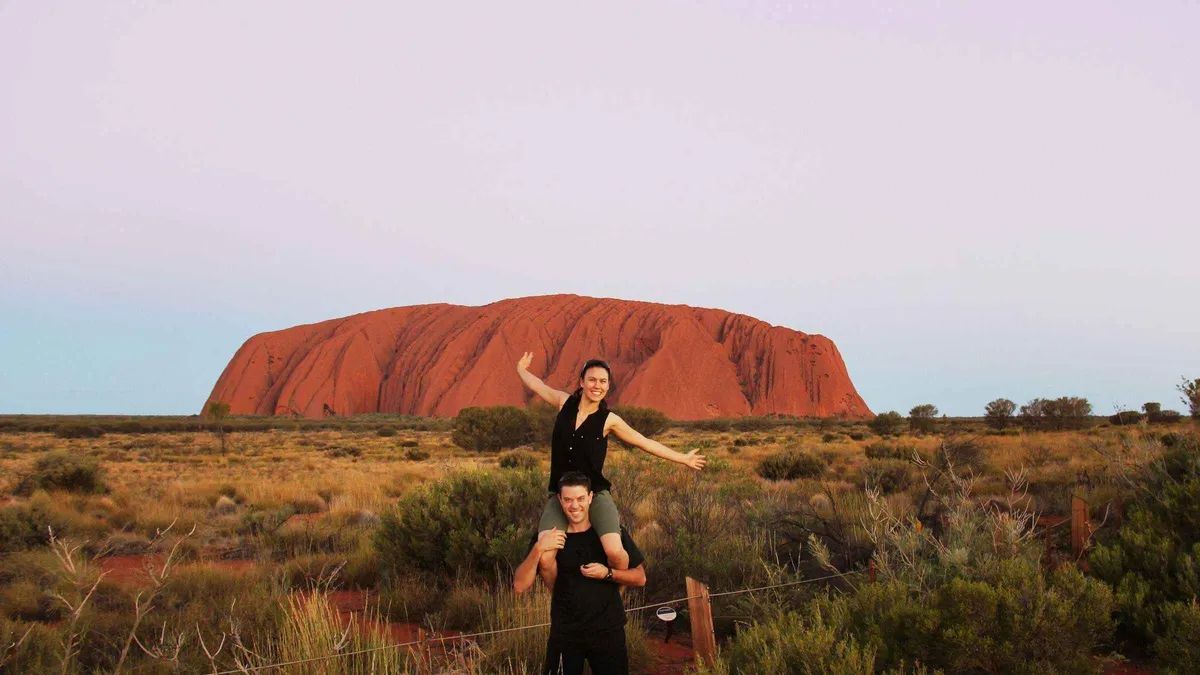
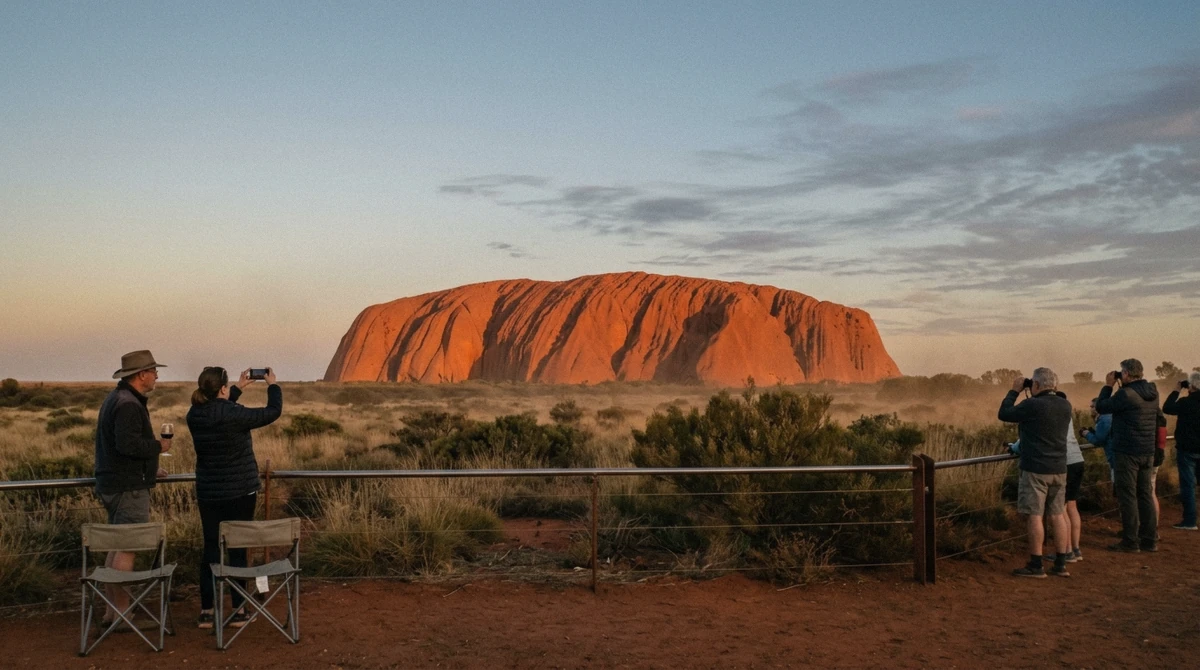
The west face glowing red at the sunset viewing area during an Uluru sunset tour, Uluru-Kata Tjuta National Park Northern Territory
Sunset tours end here, at the car sunset viewing area, with about twenty minutes of colour and every coach in the park parked alongside.

How Many Days You Need

One day

One day works only if you sleep at Yulara. Fly in the night before, take a sunrise tour, sleep through the middle of the day, then the sunset viewing area on your own with the pass you already paid for. You will have seen the rock in its two good lights and missed Kata Tjuta entirely.

One day from Alice Springs is a different animal: the 18-hour coach day leaves before dawn and returns near midnight, with roughly eleven hours of driving around three hours at the rock. Reviewers rate it 4.7 from 825 reviews and still call it a very long day. It exists because a night at Yulara costs more than the fare.

Two days

Two nights at Yulara is the shape most people should book. Sunrise walk on the first morning, rest, sunset the same evening. Second morning goes to Kata Tjuta, either on the sunrise bus or in a hire car for Valley of the Winds. That leaves an afternoon for the Cultural Centre, which is free and worth an hour, and the option of squeezing the flight in before dinner.

This is also the minimum that survives one bad weather day.

Three days or more

Three days lets you do the base circuit slowly, take Kata Tjuta properly with Valley of the Winds, and add Kings Canyon in Watarrka National Park, 300 km north-east, which most Red Centre itineraries treat as the third pillar. It is also the point where the A$38 three-day pass stops being enough by a margin of hours, so check your entry date against your last morning.

AAT Kings and the multi-day operators sell 3-day and 5-day loops that string Uluru, Kata Tjuta and Kings Canyon together with accommodation. Those are worth pricing against doing it yourself if you are not driving.

Getting to Uluru and Around the Park

Flying in

Ayers Rock Airport, still called Connellan by locals, sits at Yulara about 10 minutes from the resort and 20 minutes from the rock itself. Direct flights come from Sydney, Melbourne, Brisbane, Cairns and Adelaide. Every hotel runs a free shuttle to meet arrivals.

From the resort, Uluru is 20 minutes by road, the Talinguṟu Nyakunytjaku sunrise viewing area is 30 minutes, and Kata Tjuta is 45 minutes. Those numbers matter when a tour says pickup at 4:45 am.

Driving from Alice Springs

Alice Springs is 450 km away by the Stuart and Lasseter highways, a 5.5-hour drive with one fuel stop at Erldunda and one long stretch where the flat-topped mesa on your left is Atila, Mount Conner, which people photograph believing it is Uluru.

All roads inside the park are sealed, so a normal 2WD is fine and no permit is needed for the main sights. There are no taxis and no public transport at Yulara: it is a hire car, a tour, or the hop-on-hop-off resort bus.

Where the tours take you

Almost everything happens at four places. The Mala car park on the north-western side is where base walks start and where the Mala walk runs to Kantju Gorge. The Kuniya walk on the southern side leads to Muṯitjulu Waterhole, the only permanent water at the rock. The car sunset viewing area faces the west wall. Talinguṟu Nyakunytjaku, the purpose-built sunrise platform on the eastern side, holds a thousand people and takes in Uluru and Kata Tjuta in the same view.

The Cultural Centre inside the park, 1 km before the base, is free, air-conditioned and the best half hour you will spend on Anangu law and the Tjukurpa. Most tours stop there. The ones that do not leave it to you.

The Sights Your Tour Will Name

Everything within a 50 km radius of Yulara that the guides talk about, with the driving time from the resort.

Uluru and its walks
Kata Tjuta, viewing areas and the resort

What You Can and Can't Do at Uluru

The climb closed in 2019

Climbing Uluru has been prohibited since 26 October 2019. The chain was taken down, the route was closed, and the decision came from the Anangu traditional owners, who had asked visitors not to climb for decades before the board voted. Guides still field the question weekly. There is no permit, no exception and a fine for trying.

What replaced it is the base walk, which the same guides will tell you was always the better experience: 10.6 km of caves, waterholes and rock art instead of a rope up a slab.

Sacred sites and the no-photography signs

Several sections of the base are marked as sensitive sites where photography is not permitted, and your guide will tell you before each one. These relate to men's and women's ceremonies still practised. Nobody minds you photographing the rest of the rock; posting a photo of a restricted site is a genuine offence to the people whose law you are standing inside.

The same applies to drones, which are banned across the park without a permit.

Whose country this is

Anangu have lived around Uluru and Kata Tjuta for at least 30,000 years, and Tjukurpa — the law, the stories and the relationships between people, plants and country — is what the guided walks are built on. The park has been jointly managed since the land was handed back in 1985.

The European names arrived late and stayed messily. William Gosse sighted the rock in 1873 and named it Ayers Rock after the Chief Secretary of South Australia. In 1993 it became the first officially dual-named feature in the Northern Territory. Both names are correct; Uluru is the one the traditional owners use.

What to Bring and the Rules That Bite

The short list that separates a good morning at the rock from a miserable one.

Three litres of water

Per person, per walk, in the cool months. More in summer. Tours carry extra but not enough to cover someone who brought a 600 ml bottle.

Stop walking by 11 am

Park advice from October to March, and it is about heat stroke rather than comfort. Rangers close sections of the Valley of the Winds walk on hot forecasts.

A fly net

September to April the flies are constant and land on your face. Head nets cost a few dollars at the resort or the Cultural Centre and are worth every cent.

Closed shoes and layers

Sand and spinifex, not sandals. Sunrise starts in June sit near 4.4°C, and the same walk finishes near 20°C, so a jacket you can carry matters.

A 2WD is enough

All park roads are sealed. There are no taxis at Yulara and no public transport, so it is a hire car, a tour or the resort shuttle.

Buy the pass before you go

A$38 an adult for three consecutive days, under 18 free, bought online in two minutes. The entry station queue at 5 am is not where you want to discover this.

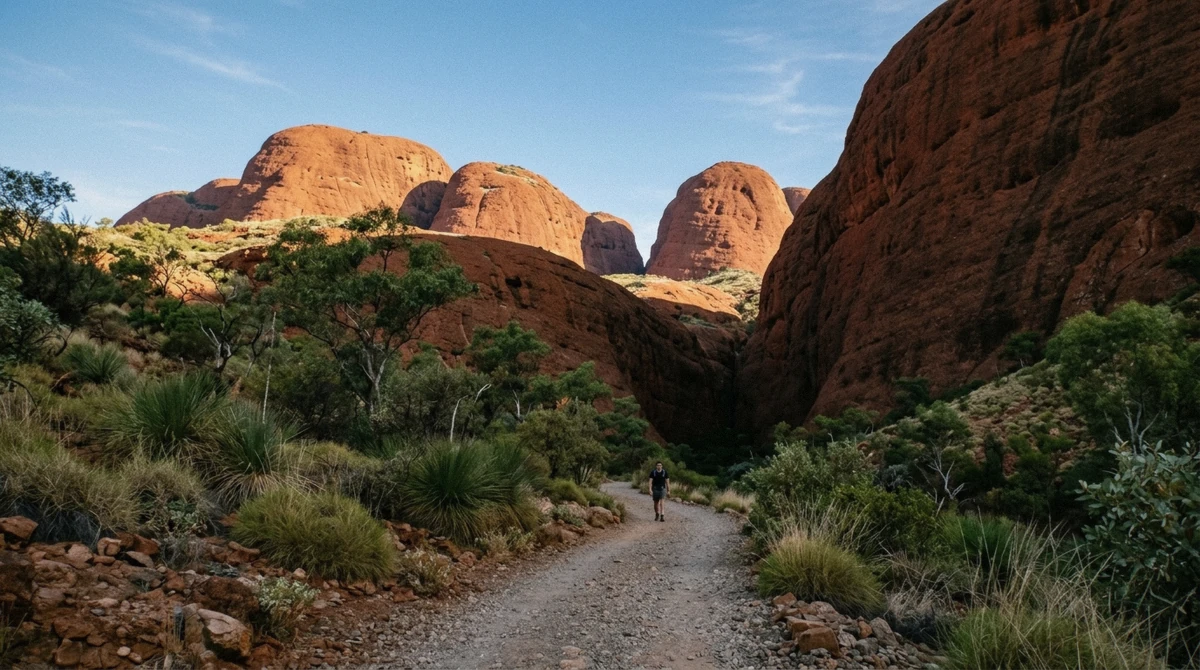
Red conglomerate domes above the Walpa Gorge walking track on a Kata Tjuta and Uluru sunrise tour, Red Centre Australia
Kata Tjuta, 40 km west. Waḻpa Gorge is the shorter of its two walks and the one tours include.

Where to Stay at Yulara

There is one accommodation village within reach of the park and it is Yulara, 20 minutes from the rock. Every property in it belongs to Voyages, so the choice is really about budget, not location. Rates below are typical shoulder-season nightly prices seen on 5 August 2026; we have not stayed at any of them.

Hotels

A$450 to A$900 a night

Full-service rooms with pools, restaurants and free shuttles to the town square and airport.

Sails in the Desert

Yulara, 20 min from Ulurufrom about A$700★ 4.4

Google, several thousand reviews

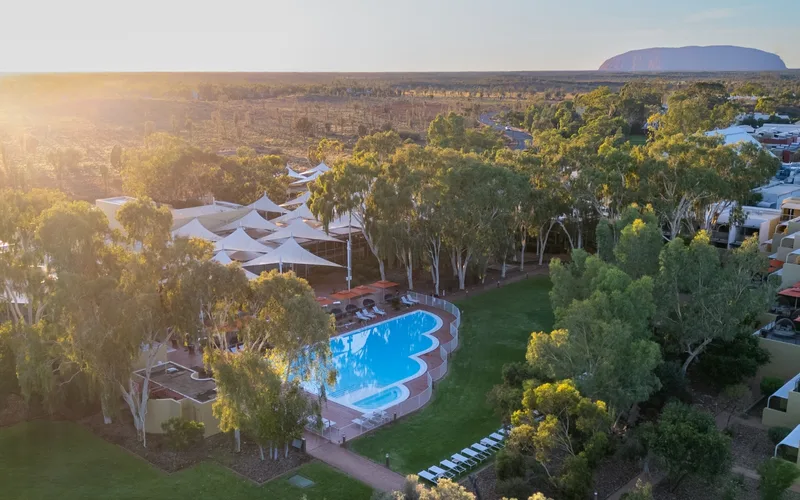
The top of the Yulara range: garden pool, spa, the Ilkari restaurant and Aboriginal art on every wall. Pickup point for most tours, which saves an early-morning walk across the village.

  • Largest rooms at Yulara
  • Tour pickup point
  • Pool that matters in summer

Desert Gardens Hotel

Yulara, next to the town squarefrom about A$550★ 4.2

Google

A step down in price with ghost gums through the grounds and a handful of rooms that see the rock from the balcony. Closest hotel to the supermarket.

  • Some rooms with a distant Uluru view
  • Walk to the IGA
  • Quieter than Sails

Apartments and budget

A$200 to A$450 a night

Where families and anyone staying three nights end up.

Emu Walk Apartments

Yulara town squarefrom about A$450★ 4.3

Google

One and two-bedroom apartments with kitchens, which given resort food prices pays for itself by the second dinner. Serviced daily.

  • Full kitchen
  • Two-bedroom option for families
  • Central to the square

The Lost Camel Hotel

Yulara town squarefrom about A$400★ 4.0

Google

Small, plain rooms aimed at couples who intend to be out at the rock rather than by the pool. No restaurant of its own.

  • Cheapest hotel rooms at Yulara
  • Adults-oriented and quiet
  • Shares facilities next door

Ayers Rock Campground

Yulara, north edgefrom about A$50 unpowered★ 4.2

Google

Powered and unpowered sites plus air-conditioned cabins, a pool and a camp kitchen. The only genuinely cheap bed within 200 km.

  • Cabins and tent sites
  • Camp kitchen and pool
  • Books out in school holidays

Free with any Yulara booking

Whatever you book, the resort's free daily activities — garden walks, bush food talks, Bush Yarns and the didgeridoo workshop — are included for every guest and run all year.

What People Said After Going

★★★★★ ★★★★★
Tim picked us up on time at Sails in the Desert at 2.30pm, drove us to the airport, and gave us an awesome 20 minute scenic ride around Uluru. After walking 12km on the base walk only hours before, it was great seeing where we had just been from above.
Don S. · Viator, scenic flight
★★★★★ ★★★★★
It was a long day from Alice Springs but so worth it. The guide, Yad, was knowledgeable and kept the pace moving. Invest in a fly mask before you go.
Michelle S. · Viator, Alice Springs day trip
★★★★★ ★★★★★
Being there at sunrise was the perfect way to start, and it was not too demanding. Alex and Jackie helped us appreciate the significance of the place. The breakfast snack was great too.
Jeff W. · Viator, sunrise base walk
★★★★★ ★★★★★
The 10 hour round trip bus ride made for a very long day. The experience of being at Uluru and learning about the Aboriginal people and their culture was enlightening.
Virginia K. · Viator, Alice Springs day trip

Uluru Tours: Questions People Ask

What is the best Uluru tour?

For most first visits it is a sunrise base walk, because it puts you at the rock in the only cool hours and covers all 10.6 km of caves, waterholes and rock art. The 5.5-hour walk at $147.50 is the cheapest way to do it and the six-hour small-group trek at $175.73 is the better-told version. If walking that far is not on, the Segway tour covers identical ground at 4.9 stars, and the 20-minute flight at $128.87 shows you the shape of the whole formation for less money than either.

What is the best month to go to Uluru?

May to September, when daytime maximums sit between 20°C and 30°C and no walk gets cut short by heat. July is coolest at 20.6°C by day and 4.4°C overnight. August and September add wildflowers, which is why those two book out first. January averages 38.4°C and is only worth it if you want the waterfalls after rain.

How many days do you need to visit Uluru?

Two nights at Yulara is the honest minimum: sunrise on the base track, sunset the same evening, Kata Tjuta on the second morning. One night gets you the rock but not the domes. Three days lets you add Valley of the Winds and Kings Canyon. See the full breakdown.

How expensive is it to go to Uluru?

Tours run $128.87 to $281.58, and the park pass adds A$38 an adult for three days, about US$27, with under 18s free. The real cost is getting there and sleeping there: airfares into Ayers Rock Airport are priced as a monopoly route and Yulara hotel rooms start around A$400 a night in shoulder season. Full cost breakdown here.

Is the park pass included in tour prices?

No. Tours departing Yulara have never included it, and since 1 April 2026 the Alice Springs day trip states that the Uluru-Kata Tjuta National Park pass is not included in the tour price either. Buy it online before you travel: A$38 for three consecutive days, A$50 for an annual pass.

Can you still climb Uluru?

No. Climbing has been prohibited since 26 October 2019, at the request of the Anangu traditional owners. The chain and the route are gone. The base walk replaced it and every guide will tell you it was always the better experience.

Do any tours go to Kata Tjuta?

One on this page. The sunrise bus at $147.50 watches the light hit Uluru, then drives the 40 km west to walk Waḻpa Gorge between the domes. The longer Valley of the Winds walk needs your own car and an early start, because rangers close the section past the first lookout on hot forecasts.

Are Uluru tours suitable for older travellers?

The sunset tour and the Kata Tjuta bus involve one to two kilometres of flat walking and suit most fitness levels. The flight involves none, and an 85-year-old reviewer recommended it without reservation. The full base circuit is flat but long: 10.6 km and three and a half hours, with no shortcut once you start.

Where do Uluru tours pick you up?

From your Yulara hotel, usually at the lobby, between 4:30 and 5:30 am for sunrise departures and mid-afternoon for sunset. Guests at Emu Walk Apartments and The Lost Camel are collected from Desert Gardens and Sails in the Desert respectively, which is a two-minute walk, not a problem.

What about the flies?

They are real, they are constant from September to April, and they go for your face. A head net costs a few dollars at the resort or the Cultural Centre. Reviewers on every warm-month tour mention it, which is the strongest recommendation there is.

Is the park ever closed?

Rarely, and always for cultural reasons. The next scheduled closure is Friday 28 August 2026 from 6 to 11 am for the funeral of a senior Anangu woman; the park reopens at 11 am and sunrise tours that morning do not run. Individual walks close at short notice for ceremonies or heat.

Sunrise departures carry the smallest groups and go first, especially May to September.

Free cancellation up to 24 hours before

Check Availability
Tours from $128.87 Check Availability